Here is the whole schedule at a glance. Weekly tasks deal with germs and visible residue that returns fast. Monthly tasks deal with mineral and soap buildup that creeps up slowly and does not show until it is stubborn. A tickable copy lives on the bathroom cleaning reset checklist page, and the sections after the table explain how to make each tier shorter.
| Task | Daily | Weekly | Monthly | Quarterly |
|---|---|---|---|---|
| Squeegee or wipe the shower | Yes | Full clean | ||
| Wipe sink and faucet | Yes | Full clean | ||
| Hang towels spread to dry | Yes | |||
| Toilet bowl and exterior | Brush if needed | Yes | Wash brush and holder | |
| Mirror | Yes | |||
| Counter and touch points (handles, switch) | Yes | |||
| Shower or tub surfaces | Spray, wait, wipe | |||
| Floor | Sweep and damp-mop | Baseboards | ||
| Trash and liner | Yes | Wash the bin | ||
| Towels and bath mat | Wash | |||
| Showerhead and aerator descaling | Yes | |||
| Grout scrub | Yes | Inspect and reseal if needed | ||
| Drains and overflow | Yes | |||
| Shower curtain or liner | Wash | Replace if needed | ||
| Fan cover | Yes | |||
| Sink cabinet interior | Wipe and check pipes | Declutter, expire products | ||
| Walls | Spot-clean | Full wipe | ||
| Caulk inspection | Yes | |||
| Behind and under the toilet | Yes | |||
| Medicine cabinet expiry check | Yes |
A weekly clean takes about 15 to 25 minutes in an average bathroom, and the monthly add-on takes another 20 to 30. Without the split, people either skip the slow jobs until they become a weekend project, or try to do everything every time and burn out.
Why tasks sort this way
Tasks get sorted by how fast the problem returns and what happens if you leave it.
- Touch surfaces and toilet: Handles, the seat, the sink, and the flush lever get contact every day, and grime builds quickly. Weekly is the baseline.
- Water-contact surfaces: Soap scum and water spots return in days and harden if ignored. Weekly, with a daily squeegee if you want less scrubbing.
- Slow accumulators: Scale in showerheads, grime in grout lines, dust in fan covers, and residue inside drains build up over weeks. Monthly keeps them from becoming stubborn.
- Rarely visited places: Behind the toilet, under the tub rim, and inside cabinets collect dust and spills slowly. Quarterly works.
What makes a clean take 10 minutes instead of 45
Most bathroom grime is not mysterious. Soap scum is soap combined with minerals from water, and it hardens as it dries. Limescale is minerals left behind when water evaporates. Pink or black film is moisture plus organic residue. All of it gets harder to remove the longer it sits, so the lowest-effort approach is to interrupt the process early. Effort comes down to three things: how long residue has been sitting, how many items you have to move to reach a surface, and how many products and tools you need. A room with a week of dried film, nine bottles on the tub ledge, and a different spray for every surface takes about 45 minutes. The same room with a daily squeegee pass, three bottles, and one all-purpose cleaner takes closer to 10.
Take the water off before it dries
Water carries almost everything you end up scrubbing: hard water spots on glass and chrome, soapy film on tile.
- Squeegee the shower after the last use of the day. A 10-inch squeegee is often $8 to $15. Pull it down glass or tile in vertical strokes and wipe the blade every pass or two.
- Keep a dedicated microfiber cloth by the sink and wipe the faucet, basin edge, and counter after brushing your teeth. It takes 15 seconds and prevents toothpaste rings and water spots.
- Hang the shower liner spread open. A bunched curtain stays wet in the folds, which is where pink and black residue starts.
- Rinse the walls with cooler water for the last 10 seconds of a shower, which washes off soap before it dries.
If a daily squeegee feels unrealistic, start with only the glass or only the faucet. One habit you keep beats three you drop in a week. For rooms where moisture lingers for hours, see reducing bathroom humidity without a good fan.
Give yourself less to wipe around
Clutter multiplies cleaning time, because every item has to be picked up, wiped under, and put back. Clear the counter to a soap dispenser, a toothbrush holder, and perhaps one tray, since lifting one tray beats lifting six objects. Move shower bottles off ledges and the floor with a wall-mounted, tension-pole, or over-the-showerhead caddy. Cut duplicates, because three half-empty shampoos are three more rings on the tub edge. Smooth tile, sealed grout, and simple fixtures also wipe faster, which is covered in design and material choices that make a bathroom easier to clean.
Keep one small kit in the room
Most households own more bathroom products than they need, and choosing between them slows you down. Store a kit in a bin under the sink or on a shelf at standing height, not in another room, with rubber gloves in the same bin.
| Item | Purpose | Typical cost |
|---|---|---|
| All-purpose bathroom cleaner (spray) | Sink, counter, tub, tile, fixtures | Often $4 to $8 |
| Toilet bowl cleaner and brush | Bowl only | Often $4 to $10 |
| 3 to 4 microfiber cloths | Wiping, buffing, glass | Often $10 to $15 for a pack |
| Non-scratch scrub sponge | Stuck-on residue | Often $2 to $5 |
| Squeegee | Shower glass and tile | Often $8 to $15 |
For a closer look at which product types are worth buying, see the bathroom cleaning supplies guide.
Let the product sit
A common reason people scrub harder than they need to is that they spray and wipe immediately. Cleaners work by loosening residue, and that takes time. Spray the walls or tub, brush your teeth or do the sink for 3 to 5 minutes, then wipe. Most soap scum comes off with a light pass.
Match the product to the surface. Acidic cleaners, including vinegar, can dull or etch natural stone such as marble and travertine, so use a stone-safe cleaner there. Abrasive powders scratch acrylic tubs and some glossy fixtures, and scratches hold dirt.
The daily tier (1 to 2 minutes)
Daily tasks involve no scrubbing. They exist so the weekly job has less to remove.
- Squeegee or wipe the shower after the last use of the day.
- Wipe the sink and faucet with a dry microfiber cloth.
- Hang the towel spread out, and hang the mat over the tub edge.
If you only have a few minutes some days, the five-minute reset gives you a fixed sequence for the visible parts.
The weekly list
Work from top to bottom and from clean to dirty, so what drops does not land on finished surfaces. Plan 15 to 25 minutes.
- Spray the shower or tub walls and floor with bathroom cleaner and let it sit for 3 to 5 minutes while you do other tasks.
- Clean the mirror and glass with a dry or lightly sprayed microfiber cloth.
- Wipe the sink, faucet, and counter, including the base of the faucet and the drain edge.
- Wipe the touch points such as the light switch, door handle, towel bar, and cabinet pulls with a damp cloth.
- Clean the toilet. Apply bowl cleaner, scrub under the rim and around the water line, flush, then wipe the seat, lid, tank, handle, hinges, and base with a separate cloth.
- Wipe or squeegee the shower, rinse the walls and floor, and wipe the tub.
- Empty the trash and replace the liner. Wipe the rim of the bin.
- Sweep or vacuum the floor, then damp-mop. Pay attention to the area around the toilet base.
- Swap and wash towels and the bath mat. Dermatology guidance from health systems puts bath towels at roughly every three uses, or at least weekly.
Use one product at a time and never mix bleach with ammonia or acids, including some toilet bowl cleaners and vinegar. Bleach with ammonia makes chloramine gas and bleach with acids makes chlorine gas, and both are dangerous to breathe. Wear gloves, open a door or run the fan, and keep all cleaning products where children and pets cannot reach them. You do not need to disinfect everything. Soap and water or an all-purpose cleaner covers general cleaning, and disinfecting is mainly worth doing on the toilet and on surfaces someone with a stomach bug has touched. For a disinfectant, follow the contact time on the label, which varies by product, because the surface must stay wet for the stated minutes.
The monthly list
These tasks take longer but only need doing every four weeks or so. Do two or three at a time if you prefer.
- Descale the showerhead and faucet aerators. Tie a bag of white vinegar around the showerhead for an hour or two, then rinse and wipe, or unscrew the aerator and soak it. Skip vinegar on finishes the manufacturer says to avoid.
- Scrub the grout lines. Use a stiff nylon brush and a cleaner made for grout or a paste of baking soda and water, and rinse well.
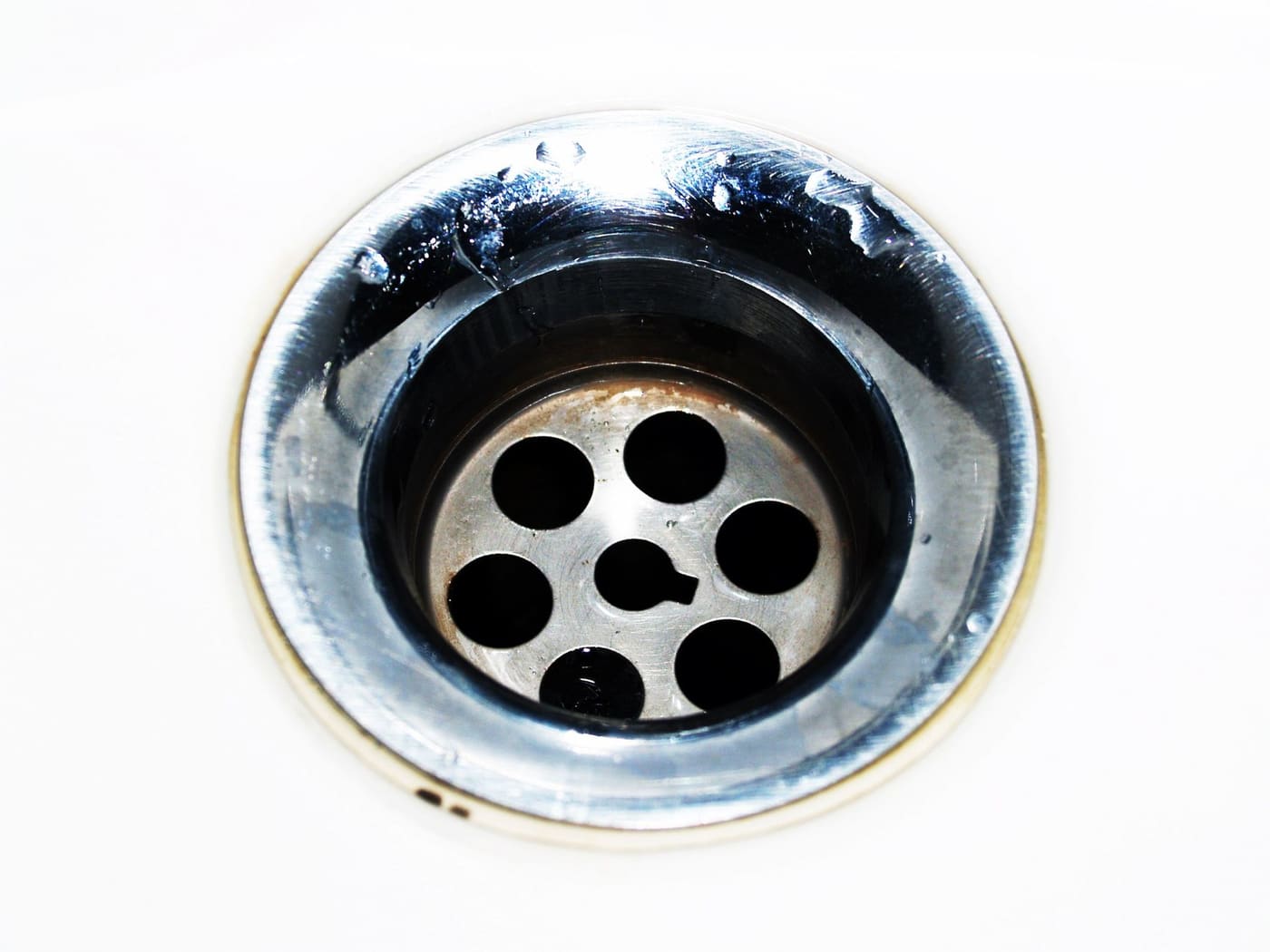
- Clean the drains. Remove the stopper, take out the hair, scrub the drain walls, and flush the sink overflow hole.
- Wash the shower curtain or liner, or replace it if there is black or pink mildew in the hem.
- Clean the exhaust fan cover. Switch the fan off at the wall switch first, remove the cover if it pops off by hand, wash it in warm soapy water, and dry it before putting it back. Do not open the fan housing or touch wiring.
- Wipe the walls and baseboards, especially near the tub and toilet.
- Clean the trash bin with soap and hot water, and let it dry.
- Wipe the inside of the sink cabinet and check pipes for drips.
- Wash or replace the toilet brush and its holder.
Spread the monthly list across four weeks
Some people split the monthly list so each weekly clean gets one extra 5-minute job: descale the showerhead in week one, scrub grout in week two, clean drains and the fan cover in week three, and wash the bins, curtain, and cabinet interior in week four. Write it on a card in the cleaning caddy, or set a recurring phone reminder.
The quarterly extras
A few jobs do not need doing monthly.
- Inspect the caulk and grout. Look for cracks, gaps, and black spots. Replace failing silicone caulk, which is often under $15 a tube, or ask the landlord if you rent. A bead of new caulk needs to cure for the time on the label before it gets wet. Grout that is porous can be sealed after a deep clean, and resealing is typically needed every year or two depending on the product.
- Clean behind the toilet and around the bolts. Many people forget it for months.
- Declutter products. Throw away empty bottles and anything expired or unused. Dispose of medication according to local guidance.
- Check under the sink for leaks, damp wood, or musty smells. A slow drip or soft cabinet base is a reason to call a plumber.
Recurring mold or any water damage behind walls is not a surface cleaning issue. EPA mold guidance suggests a professional for areas larger than about 10 square feet, and for mold that keeps returning after cleaning.
Adjust the schedule for your household
The numbers above are for an average home. Change them for these cases.
- Several users: Clean the toilet and sink twice a week. A household of one with one shower a day can stretch some weekly items to every 10 days.
- Kids or pets: Add a floor wipe and a mat wash midweek.
- Hard water: Descale faucets and showerheads every two to three weeks, since scale builds faster.
- Humid climate or no ventilation: Do a weekly mildew check on caulk, curtain, and grout, and see the guide on reducing moisture when ventilation is weak.
- Guest bathroom: Dust and wipe monthly and before visitors arrive.
- Rental: Check the lease before using strong chemicals or sealing grout, and report caulk or plumbing problems to the landlord.
A realistic first week
If the bathroom has not been cleaned properly in a while, do not adopt every tier at once.
- Day 1: Do one proper clean, letting spray sit while you do other tasks. Throw away empty and duplicate bottles.
- Day 2: Put the kit together and store it in the room. Hang a squeegee in the shower.
- Days 3 to 7: Do only the daily wipe habits. Skip everything else.
- Day 8: Do a short weekly clean. It should take much less time than day 1, which shows the system is working.
Then put the monthly jobs on a calendar and treat the quarterly list as a seasonal look-around. If the fan seems weak or does not work, replacing or adding one involves wiring, which is a job for a licensed electrician.
Where this comes from
The task tiers are a practical sorting, not a published standard. The safety points draw on CDC and EPA guidance about not mixing bleach with other cleaners and about disinfectant contact times, EPA mold guidance, and dermatology advice from health systems on towel washing. Prices are typical US ranges that vary by store and region.